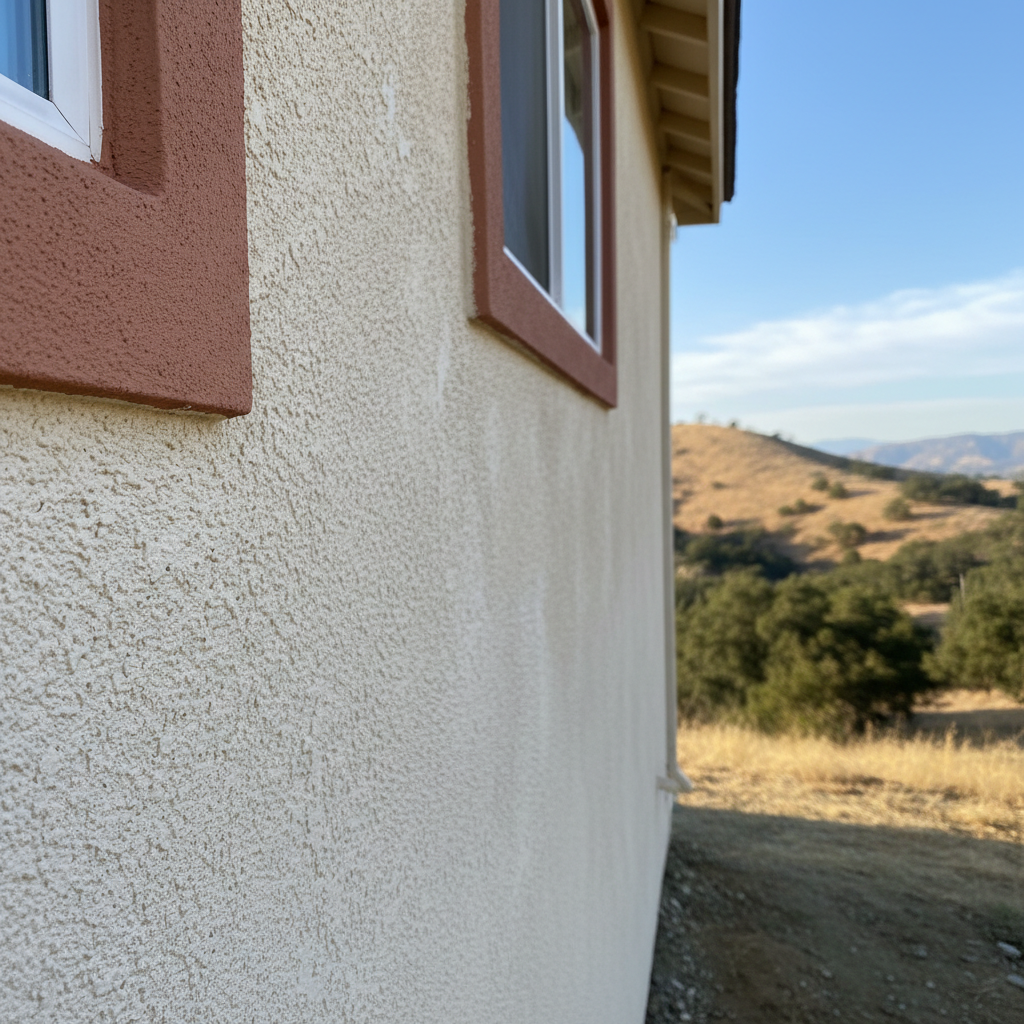
Alright, let's talk EIFS – Exterior Insulation and Finish Systems. You might hear people call it synthetic stucco, and honestly, it’s a whole different animal than traditional stucco. If you’re thinking about it for your Hollister home, whether it’s for a new build or a renovation project, you really need to know what you’re getting into. I see a lot of folks who think they can just slap it on like paint, and let me tell you, that’s a recipe for disaster. So, let’s break down what you can realistically do yourself and when you absolutely, positively need to bring in a pro.
Before You Even Think About Starting
First off, EIFS isn't some weekend warrior project. It's a multi-layer system, carefully designed for insulation and weather protection. It's not just about how it looks; it's about keeping your house dry and warm (or cool, depending on the season, of course). Before you buy a single bag of material, do your homework. Seriously, dig into it. Understand the different types of EIFS – barrier versus drainage. In a place like Hollister, where we get those heavy winter rains and then scorching summers, a drainage EIFS system is usually the smarter play. It’s built to let any moisture that sneaks behind the system escape, which is super critical for stopping rot and mold in their tracks.
What can you do yourself at this stage? Research, research, research. Get to know the components: the adhesive, the insulation board (usually expanded polystyrene, or EPS), the base coat with mesh, the primer, and the finish coat. You can also handle some of the basic prep work. This means making sure your walls are clean, sound, and totally ready to accept the system. If you’re dealing with old siding, you’ll need to remove it. And if there are any structural issues, those need fixing first. Don’t skimp on this part. A solid foundation for your EIFS is everything, you know?
During the Installation: Where DIY Ends and Pro Begins
Okay, so you've done your research and prepped the wall. Now comes the actual installation. This is where most homeowners hit a wall, literally and figuratively. Applying EIFS isn’t like painting a room, not by a long shot. It requires specific tools, precise techniques, and a whole lot of accuracy. The layers need to go on correctly, at the right thickness, and in the right order.
- Adhesive and Insulation Board: You might think you can glue up the insulation boards yourself. And technically, you can. But getting them perfectly level, plumb, and tightly butted together is crucial. Any gaps or unevenness will show right through the finish, and worse, create pathways for moisture. This isn't just about how it looks; it's about the system's integrity.
- Base Coat and Mesh: This is where things get really tricky. The base coat goes over the insulation, and then fiberglass mesh gets embedded into it. This mesh gives it impact resistance and strength. Getting the base coat to the right thickness, making sure the mesh is fully encapsulated without wrinkles, and achieving a smooth, consistent surface takes practice. If you mess this up, you'll end up with weak spots and an uneven finish.
- Primer and Finish Coat: The primer helps with adhesion and gives you a uniform color. The finish coat is what everyone actually sees. This is an art form, honestly. EIFS finishes come in different textures and colors, and applying them evenly and consistently across a large surface without visible seams or trowel marks is tough. I've seen plenty of DIY attempts that end up looking patchy or just plain amateurish, especially on larger, more visible walls.
Honestly, for anything beyond a very small, non-critical area, I strongly recommend hiring a professional for the actual application of the EIFS layers. The specialized tools, the experience with different textures, and the sheer amount of material handling involved make it a job for folks who do it every single day. You don't want to invest all that money in materials only to have it look bad or fail prematurely because of an inexperienced hand.
For instance, if you're doing a home in one of the older neighborhoods near downtown Hollister, where houses often have unique architectural details, getting those EIFS corners and transitions just right is critical. It's not just about covering a flat wall, after all.
After Installation: Maintenance and What to Watch For
So, the EIFS is up, and it looks great. Now what? EIFS is a durable system, but it’s not maintenance-free. What you can do yourself here is pretty straightforward and important for its longevity.
- Routine Cleaning: Just like any exterior, EIFS will get dirty. You can clean it with a soft brush and a mild detergent solution. Don’t use high-pressure washers too close to the surface, though, as you can damage the finish.
- Inspections: Walk around your house regularly, especially after heavy storms. Look for any cracks, dings, or spots where the finish might be compromised. Pay close attention to penetrations like windows, doors, and utility lines. These are common spots for moisture intrusion if the flashing wasn't done perfectly.
- Sealant Maintenance: The sealants around windows, doors, and other transitions are your first line of defense against water. They don't last forever, you know. If you see cracking, shrinking, or separation, you'll need to re-caulk. This is definitely something a handy homeowner can tackle. Just make sure you use the right type of sealant – typically a high-quality, flexible, paintable caulk designed for exterior use.
If you spot any significant damage – a large crack, a hole, or signs of water intrusion (like discoloration or bulging) – that’s when you need to call in a professional. Patching EIFS isn't just about filling a hole; it's about restoring the system's integrity and making sure it blends seamlessly. Alpha Stucco Solutions has seen it all, and we can assess the damage and make the right repair to protect your investment.
Ultimately, EIFS is a fantastic system when installed correctly. It offers excellent insulation and a beautiful finish. Just be realistic about your skills and don't hesitate to bring in the experts when the job calls for it. You'll be glad you did.